
Introduction
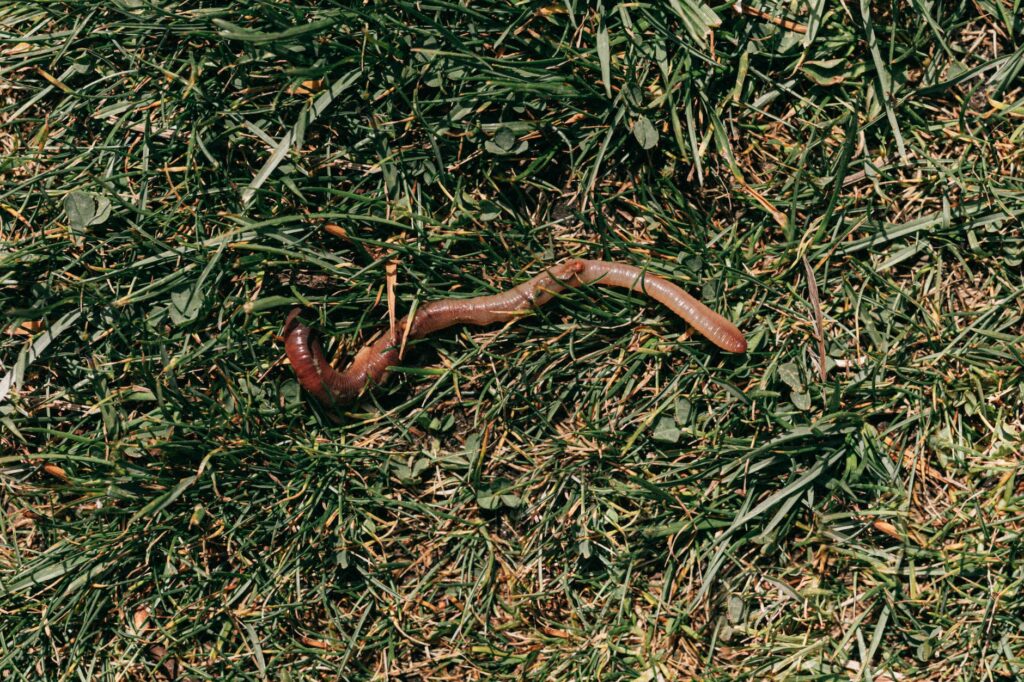
Worm castings, or vermicompost, are a valuable organic fertilizer rich in nutrients. They are produced through the breakdown of organic matter by earthworms. While worm castings are generally beneficial for plants and soil health, a few have concerns about their potential toxicity. This article will delve into worm castings toxicity, exploring what it means, its causes, and how to prevent or mitigate any adverse effects.
What is Worm Castings Toxicity?
Worm castings toxicity refers to the negative impact of worm castings on plant growth and health. It occurs when the concentration of specific elements or compounds in the castings exceeds the tolerance level of plants, leading to reduced growth, nutrient deficiencies, or even plant death. While worm castings are considered safe and beneficial, understanding the factors contributing to toxicity is essential for sustainable gardening and farming practices.
Understanding the Composition of Worm Castings
To comprehend worm castings toxicity, it is crucial to understand their composition. Worm castings are a mixture of organic matter, minerals, and beneficial microorganisms. They contain essential nutrients like nitrogen (N), phosphorus (P), and potassium (K), as well as micronutrients such as iron (Fe), manganese (Mn), and zinc (Zn). These nutrients are in a form readily available for plant uptake, making worm castings an excellent fertilizer option.
Factors Contributing to Worm Castings Toxicity
Various factors can contribute to the toxicity of worm castings:
Feedstock Contamination: If the feedstock used to produce worm castings is contaminated with toxins or heavy metals, they can accumulate in the castings and pose a risk to plants.
Unbalanced Nutrient Ratios: Worm castings with imbalanced nutrient ratios, such as excessive nitrogen or other elements, can cause nutrient imbalances in plants and hinder their growth.
pH Imbalance: Worm castings with extreme pH levels (too acidic or alkaline) can adversely affect soil pH, leading to nutrient imbalances and plant stress.
Overapplication: Applying an excessive amount of worm castings without considering the nutrient requirements of plants can overwhelm their capacity to absorb nutrients, resulting in toxicity.
Assessing Worm Castings Toxicity
Determining the potential toxicity of worm castings involves conducting tests and assessments to evaluate their quality and safety. Several methods can be employed to assess worm castings toxicity:
Chemical Analysis
The chemical analysis involves testing worm castings for the presence and concentration of various elements and compounds. By comparing the results with established guidelines or safe levels, potential toxicity can be identified.
Bioassays
Bioassays involve conducting tests using plants or other organisms to assess the impact of worm castings on their growth and development. These tests can provide insights into the potential toxicity and effects on plant health.
Soil Testing
Soil testing is essential to evaluate the impact of worm castings on soil health and nutrient levels. It helps identify any nutrient imbalances or changes in pH that may indicate toxicity.
Preventing and Mitigating Worm Castings Toxicity
To prevent or mitigate worm castings toxicity, the following measures can be implemented:
Source Selection
Choose a reputable supplier or produce worm castings on-site using organic and uncontaminated feedstock. This ensures the quality and safety of the castings.
Quality Assurance
Regularly test worm castings for quality and safety to identify any potential toxicity. As mentioned earlier, this can involve chemical analysis, bioassays, and soil testing.
Proper Application
Apply worm castings in moderation, considering the nutrient requirements of the plants. Avoid overapplication, as excessive concentrations can lead to toxicity.
Composting and Aging
Composting worm castings before use can help reduce the risk of toxicity. Allowing the castings to age for several weeks or months before application also aids in the breakdown of any potentially harmful compounds.
FAQs about Worm Castings Toxicity
Q: Are worm castings toxic to plants?
A: In general, worm castings are beneficial for plant growth. However, if the castings contain excessive levels of specific elements or compounds, they can be toxic to plants.
Q: Can worm castings contain heavy metals?
A: Worm castings can accumulate heavy metals if the feedstock used in their production is contaminated. It is crucial to ensure the feedstock is organic and free from toxins.
Q: How can I prevent worm castings toxicity in my garden?
A: To prevent worm castings toxicity, choose high-quality castings from reputable sources, test them for safety, and apply them in moderation, considering the nutrient requirements of your plants.
Q: Are there any alternatives to worm castings as organic fertilizers?
A: Yes, there are alternative organic fertilizers available, such as compost, manure, and various plant-based fertilizers. These can be used in combination or as substitutes for worm castings.
Q: Can worm castings improve soil health?
A: Yes, worm castings are known to improve soil health by enhancing its structure, increasing nutrient availability, and promoting beneficial microbial activity.
Q: Is worm castings toxicity a common issue?
A: Worm castings toxicity is rare if proper sourcing, testing, and application practices are followed. It is essential to be aware of the potential risks and take necessary precautions.
Conclusion
Understanding worm castings toxicity is vital for gardeners and farmers who utilize vermicompost as a natural fertilizer. While worm castings generally offer numerous benefits, toxicity is possible if certain factors are not considered. By selecting quality sources, testing castings for safety, and applying them judiciously, the toxicity risks can be minimized. Regular monitoring of plants and soil health, along with appropriate adjustments, will ensure the continued benefits of worm castings without compromising plant growth or sustainability.